Sohail Inayatullah, Rachael Smith and Eva Oloumi. Photo by Martin Sanchez Abstract This paper presents the … The Dialectical Method in Futures Scenarios: A Framework for Analyzing Contradiction and TransformationRead more
Sohail Inayatullah, Rachael Smith and Eva Oloumi. Photo by Martin Sanchez Abstract This paper presents the … The Dialectical Method in Futures Scenarios: A Framework for Analyzing Contradiction and TransformationRead more

Pranav Bihari Abstract Contemporary political economy has developed a significant body of scholarship on predistribution (the … Beyond Redistribution: What Neohumanism Offers Contemporary Political EconomyRead more
Neohumanist Review invites submissions for publication in its biannual issues (March and September).The journal draws on … A Call for Visionary WritingRead more
Compiled and edited by Ac. Shambhushivánanda Avt.P.R. Sarkar Institute of Indology, Anandanagar, Bengal, India Evidence of … P.R. Sarkar on Indology: Lost and Forgotten Cultural History of Ra’r’h and North East IndiaRead more
Shrii Prabhat Ranjan Sarkar What is civilization? The subtle sense of refinement that we encounter in … Civilization, Science and Spiritual ProgressRead more
Shrii Prabhat Ranjan Sarkar Human civilization is created in, and moves along, river valleys. Like a … River Valley CivilizationsRead more

Erik Van Woensel interviewed by Anthony Carlyle How did you come across homeopathy?Our mother was always … The Orthodox Homeopath Who Shakes Up His FieldRead more

Sumaya Machado Lima Abstract: This article investigates the philosophical agency potential in Bengali music, framing social … Music and Agency: The Philosophical Voice of Tagore, Sarkar and SpivakRead more
Richard Hames Without the deliberate cultivation of love as method – in law, economics, technology and … The Discipline of LoveRead more
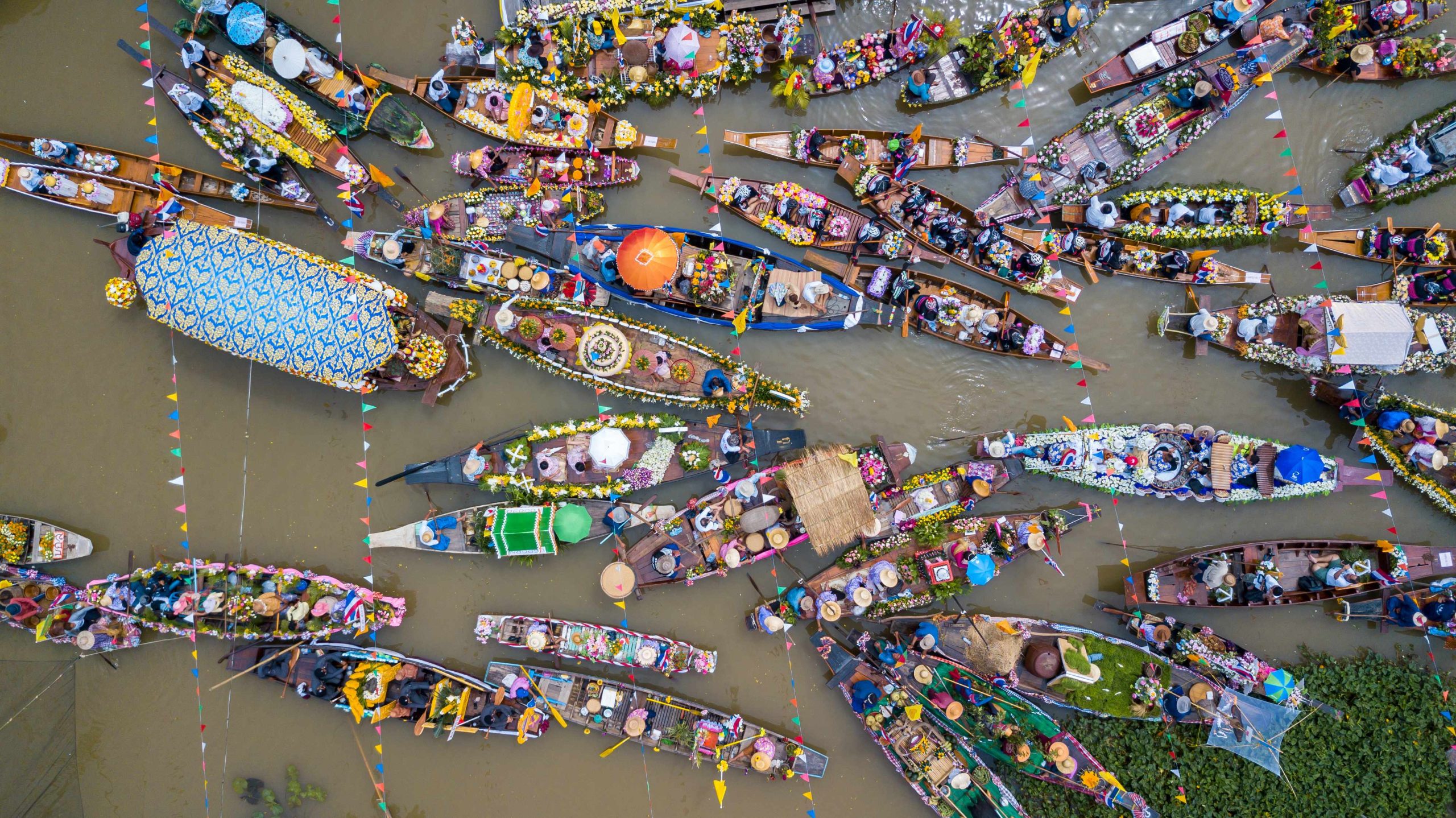
Shermon Cruz There is a moment I return to often in my memory where I stand … The River Within Us: Rediscovering Our Sacred Bond with RiversRead more